
Explore
Dubai Desert Stays: What Makes Them Different
An hour inland from the coast, the emirate turns into a protected reserve with two hotels inside it. What a desert stay actually involves, and how it differs from the excursion sold in every hotel lobby.
By The Editorial Team
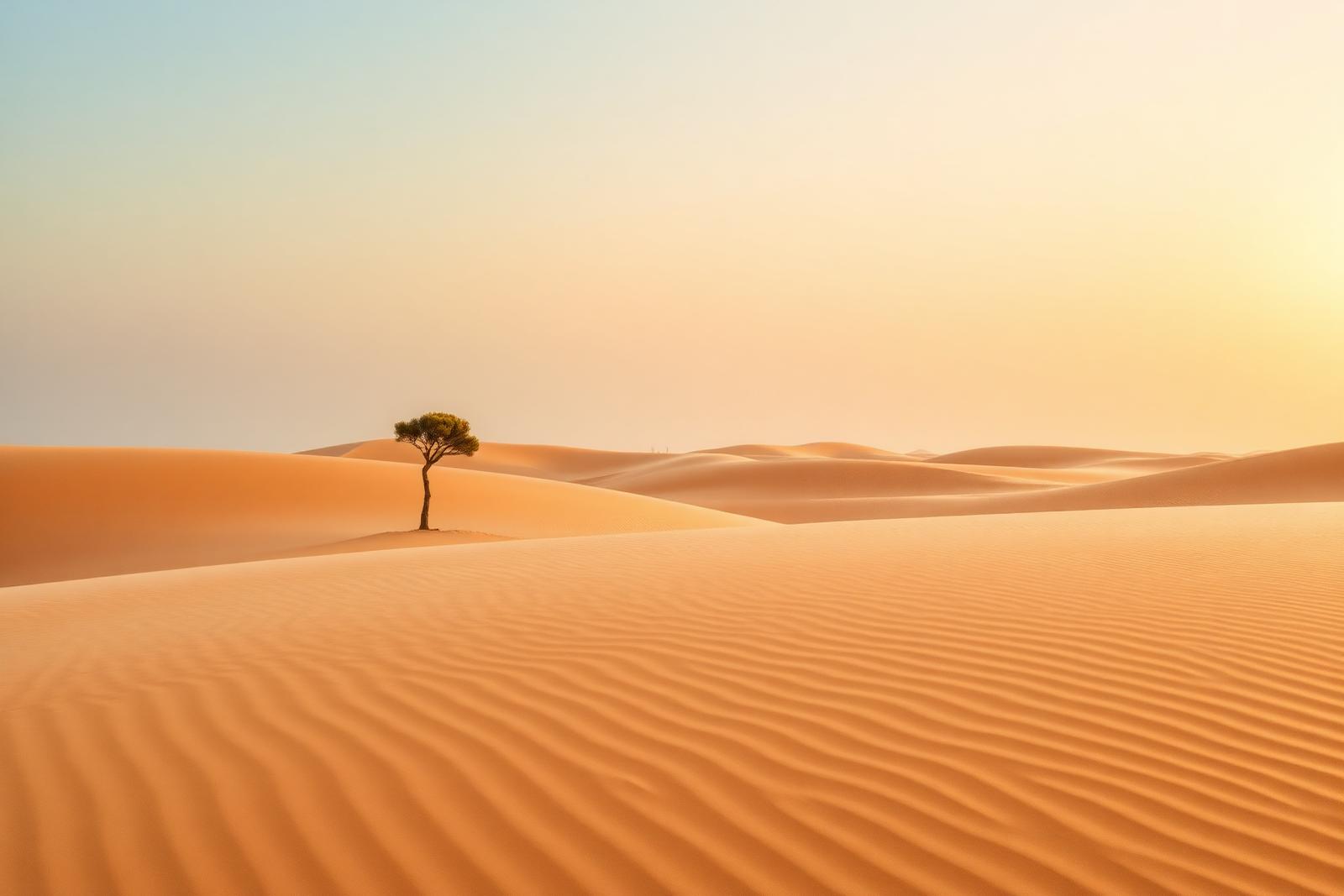
AI-generated image for illustrative purposes.
Two different products with the same name
Almost every hotel in Dubai will sell you a desert experience. In the overwhelming majority of cases that means a four-wheel-drive collecting you in the afternoon, an hour of dune driving, a camp with a buffet and entertainment, and a return to your city hotel around ten at night. It is an evening out, and for many visitors it is enough.
A desert stay is a different proposition entirely. You check out of the city, drive inland, and sleep in the landscape — waking to it, eating in it, and experiencing the two hours around dawn and dusk when the desert stops being scenery and becomes something considerably stranger and better.
The distinction is worth labouring because the two are priced and marketed adjacently, and travellers frequently book the excursion believing they have booked the experience.
The reserve, and why it matters
The serious desert hotels in Dubai sit inside the Dubai Desert Conservation Reserve, a protected area established in the early 2000s and covering a substantial share of the emirate's land area. It exists to protect a desert ecosystem that was under real pressure from grazing, off-road driving and development, and it is managed under a formal conservation plan with restricted access and controlled activity zones.
This is not decorative. The reserve's rules are the reason a stay there feels different from a camp on unprotected land: vehicle numbers are limited, routes are controlled, and the wildlife has somewhere to be. The Arabian oryx reintroduction programme documented by the reserve is the emblem of that work, and oryx sightings from a vehicle or, at the right property, from a terrace are a normal part of a stay rather than a promised event.
Wildlife is wildlife, so we will not promise you anything. Gazelle and oryx are the animals most guests see; birdlife is richer than most visitors expect. What the reserve reliably delivers is silence, which is the resource the city has none of.
Al Maha: the conservation resort
Al Maha, a Luxury Collection Desert Resort & Spa, is the property most closely identified with the reserve itself; the resort's suites are individually sited with private pools, and it operates as an all-suite property with activities included in the rate rather than sold on top of it.
That inclusive structure is the practical difference guests notice most. A desert stay involves guided activity — wildlife drives, falconry displays, horse or camel riding, walks with a guide — and at a property where those are bundled, the day has a rhythm rather than a bill. Availability and the exact activity list vary by season and should be confirmed at booking.
It suits couples, photographers and travellers who want the landscape rather than a themed evening. Families with young children are generally better served elsewhere; the property's appeal rests on quiet.
Bab Al Shams: the fort-style resort
Bab Al Shams is the other established desert address, built in a low-rise, fort-inspired vernacular around courtyards and pools, and reopened after a substantial renovation under Kerzner's Rare Finds banner. It is larger and more conventionally resort-shaped than Al Maha, with a broader dining spread and more of a family orientation.
The architecture is the point of difference. Where a modern hotel would place glass towards the view, this format turns inward towards shaded courtyards — which is how buildings in this climate historically worked, and which makes the middle of the day habitable in a way that a glazed room does not.
It works well for travellers who want the desert without giving up the amenities of a resort, and for groups where not everybody is equally enthusiastic about a 6am wildlife drive.
The logistics, in order
Getting there: the reserve is roughly an hour's drive inland from the coastal districts, traffic depending, and the properties arrange transfers. Self-drive is possible to the reception points, but internal movement within the reserve is on the property's own vehicles — this is a protected area, not an open dune field.
How long to stay: two nights is the answer for most travellers. One night gives you a single sunset, a single dawn and a rushed departure; three begins to test the patience of anyone who is not specifically there to do nothing. Two nights delivers both light shows and a full day in between.
When: the cool months are unambiguously better. Desert daytime temperatures in high summer are punishing, and the activities that make a stay worthwhile — riding, walking, drives — are curtailed or moved to the margins of the day. Check current conditions with the National Center of Meteorology rather than relying on seasonal averages.
What to bring: closed shoes for sand, long sleeves for sun and for evenings that get genuinely cold in winter, and less than you think. Neither property is a place where anybody is looking at your luggage.
Who it suits, and who it does not
It suits honeymooners, photographers, travellers on a second or third visit who have exhausted the city, and anybody whose idea of a good day involves no schedule. It is also unusually good for a certain kind of business traveller — two nights inland at the end of a working week is a more complete reset than a spa afternoon.
It does not suit visitors on a short first trip who have not yet seen Dubai; the desert is a supplement to the city, not a substitute for it. It does not suit anyone who needs restaurants to choose between, nightlife, or shopping. And it does not suit travellers who dislike heat, insects or the absence of a signal — all three are part of the deal.
How to combine it with a city stay
The structure that works best on a week-long trip is three or four nights in the city, then two inland, then out. Doing it in that order matters: the desert makes a poor first impression when you are jet-lagged and have not yet seen what you came for, and it makes an excellent last one.
For beach-led trips, the same logic applies with the coast in place of Downtown. A Palm Jumeirah or Jumeirah coast stay followed by two desert nights is the most contrasted itinerary the emirate offers, and the transfer between them is straightforward.
One practical note: check out of the city hotel properly rather than holding the room. Desert properties are not places you commute from, and a retained city room is money spent on an empty bed.
The Dubai Hotels Magazine view
The desert stay is the single most underrated part of a Dubai itinerary, and it is underrated precisely because the excursion version is so heavily marketed that visitors believe they have already done it.
Two nights inside a protected reserve, with animals that live there and a horizon with nothing on it, is the strongest counter-argument to the idea that this emirate is only a city of towers. It is also the part of a trip most guests describe afterwards as the part they would repeat.
Sources
Factual detail in this article was checked against first-party and authoritative sources on . Times, prices, opening hours and menus change — confirm current details with the provider before travelling.
- https://www.ddcr.org/
- https://www.ddcr.org/about/
- https://www.ddcr.org/media/2bllj0nt/trax-3392-group-services-ddcr-management-plan.pdf
- https://www.ddcr.org/media/j0ke0r1p/arabian_oryx_reintroduction_2007.pdf
- https://www.marriott.com/luxury/explore-luxury-suites/al-maha-dubai
- https://www.babalshams.com/
- https://www.ncm.gov.ae/
About the author
The Editorial Team — Reporting, reviews and guides produced by the Dubai Hotels Magazine editorial team.
Our authorsHotels in this article
Where to stay
The DesertLuxury
Al Maha, a Luxury Collection Desert Resort & Spa, Dubai
Suites and signature villas inside the Dubai Desert Conservation Reserve — the quietest luxury address in the emirate.
- Desert
- Spa
- Romance
The DesertResort
Bab Al Shams
A fort-inspired desert resort of courtyards and low buildings, built around Arabian hospitality and desert experiences.
- Desert
- Spa
- Pool
Destinations
Explore the destinations
Read next
More from the magazine
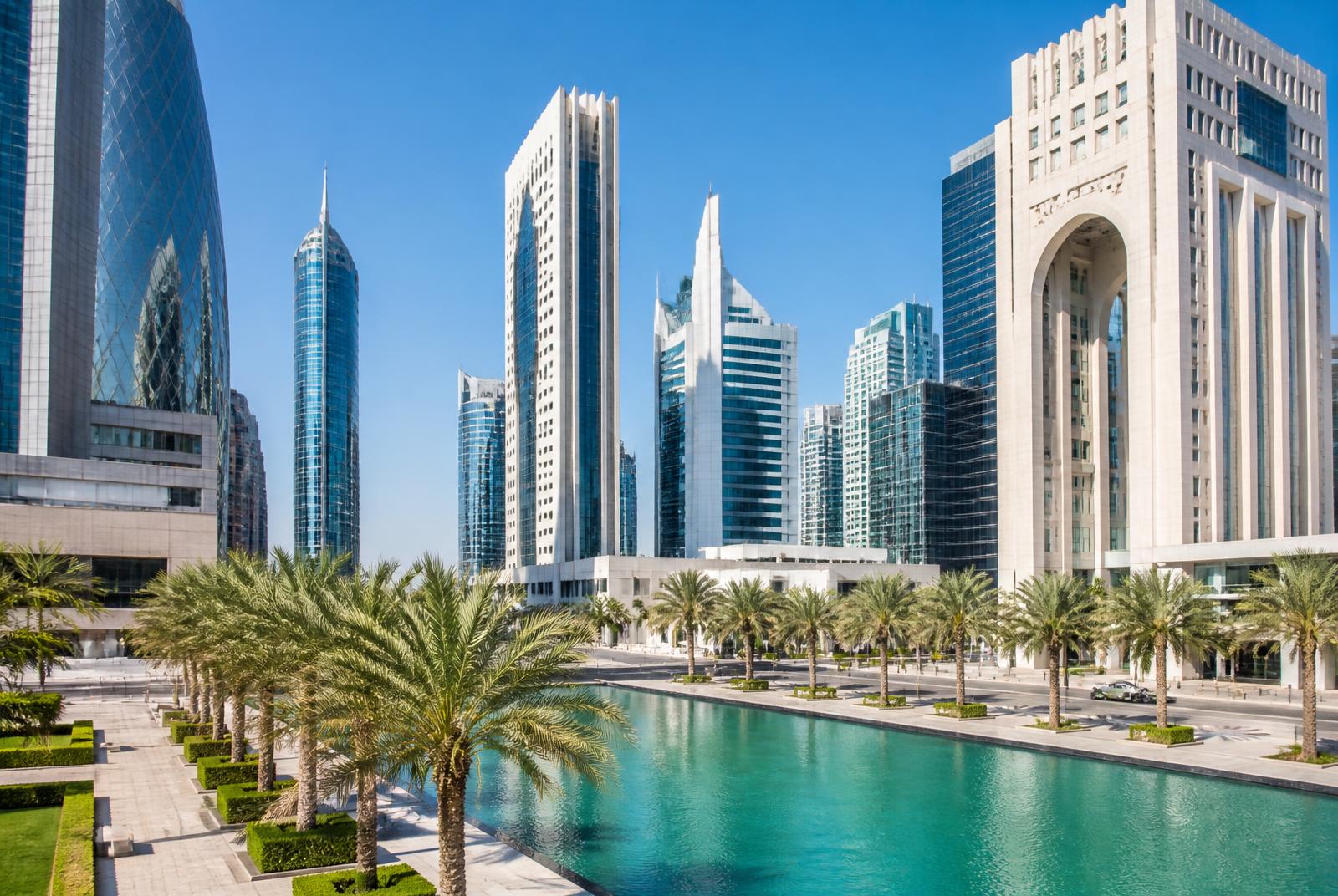
GuidesItineraries
A First-Timer's Guide to Luxury Dubai
When to come, where to land, how to move, what the rules actually are, and how to structure a first week so the city makes sense rather than merely impresses.
By The Editorial Team
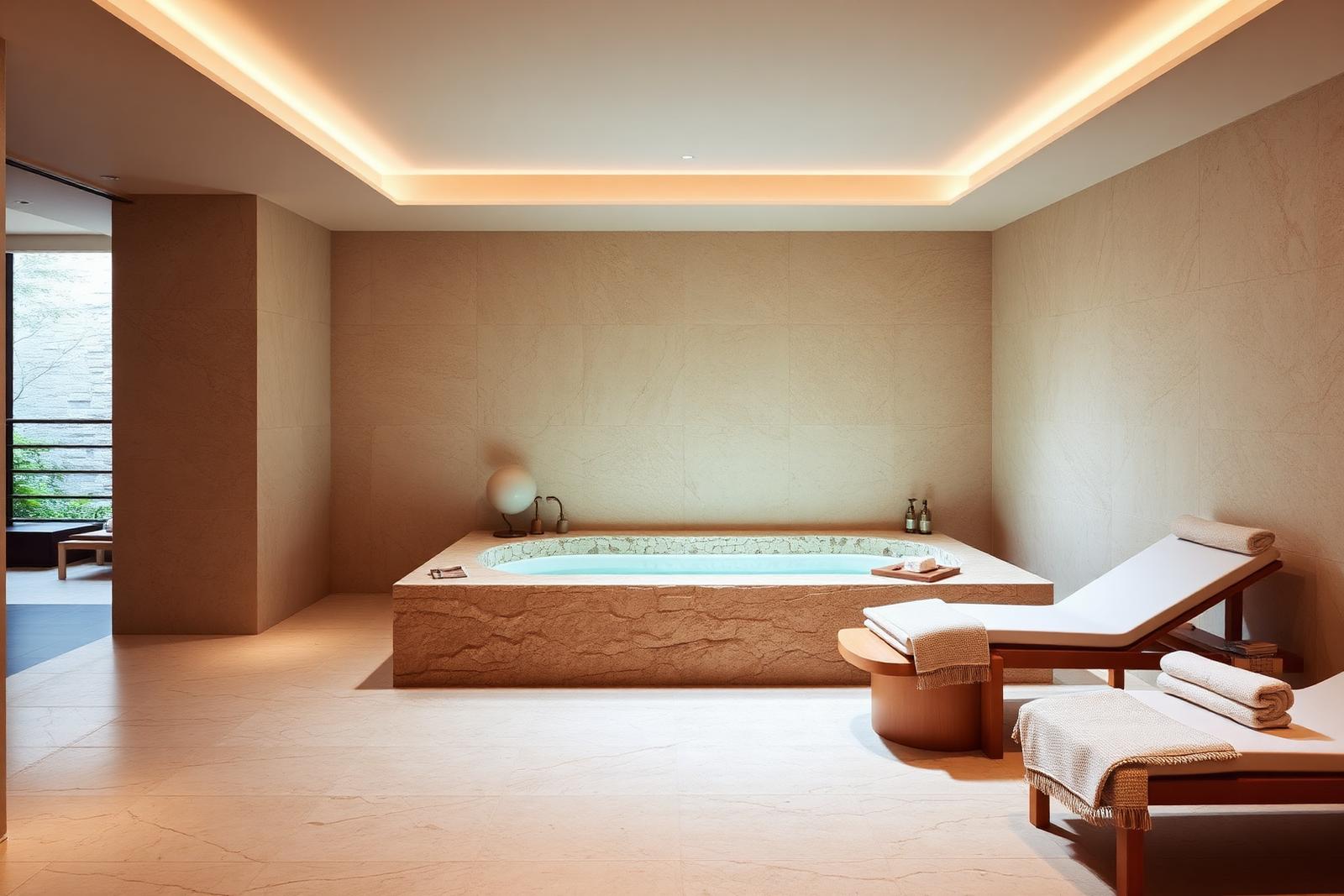
ExperienceWellness
A Guide to Dubai Hotel Spas and Wellness
The spa menu is no longer the whole story. How wellness moved from the hotel basement to the centre of the building, and what to book depending on what you actually need.
By The Editorial Team
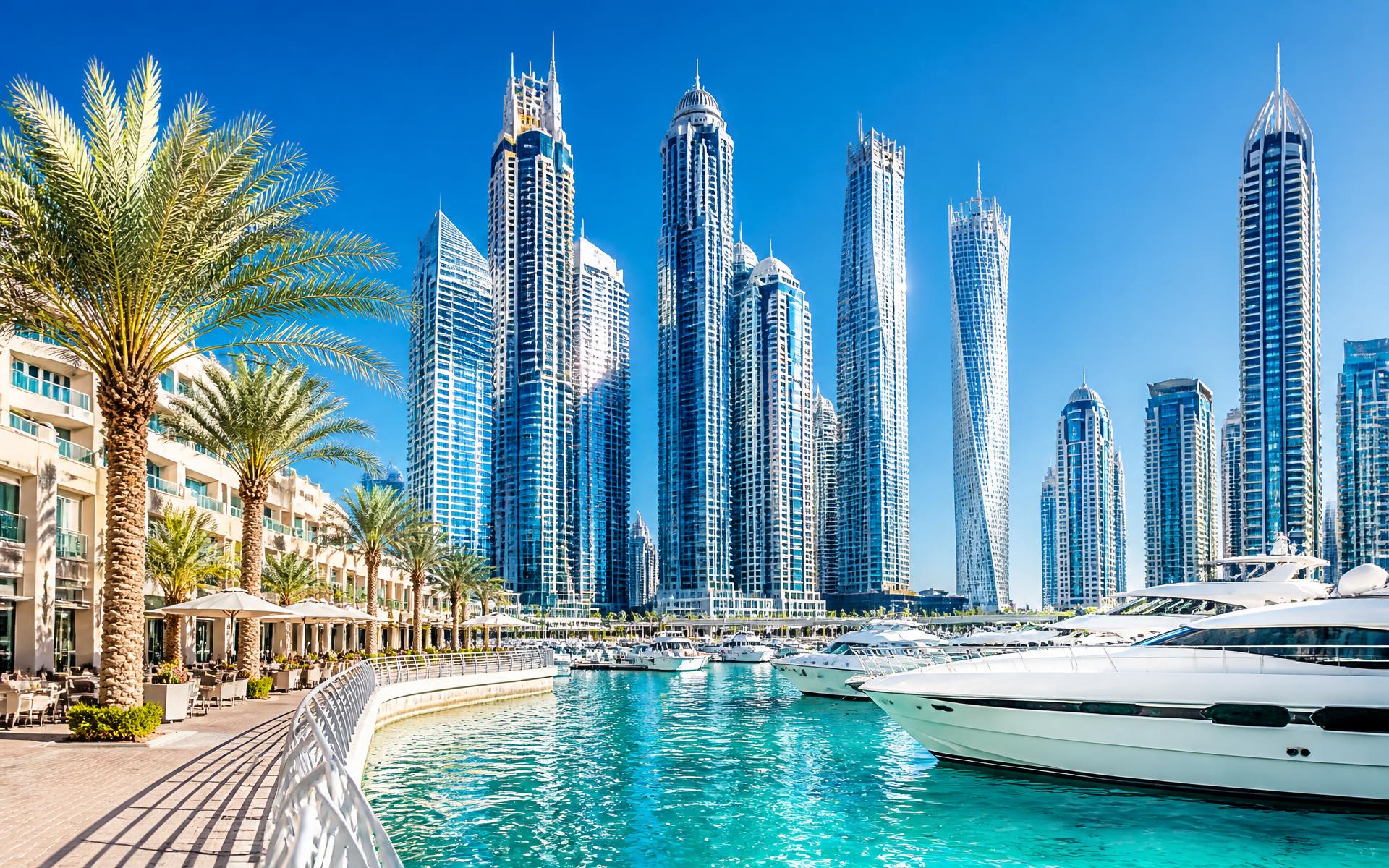
FeaturesNew & Noteworthy
Dubai's New Generation of Luxury Hotels
A short, intense opening cycle changed what a luxury hotel in this city is expected to be. Not bigger — different: wellness as architecture, dining as identity, and privacy as the scarcest amenity of all.
By The Editorial Team