
Features
Reading Dubai: Twenty-Five Years of Hotel Architecture
A city that built its identity out of hotels. From a sail on an artificial island to a building suspended across a motorway — the chronology, and what each phase was arguing for.
By The Editorial Team
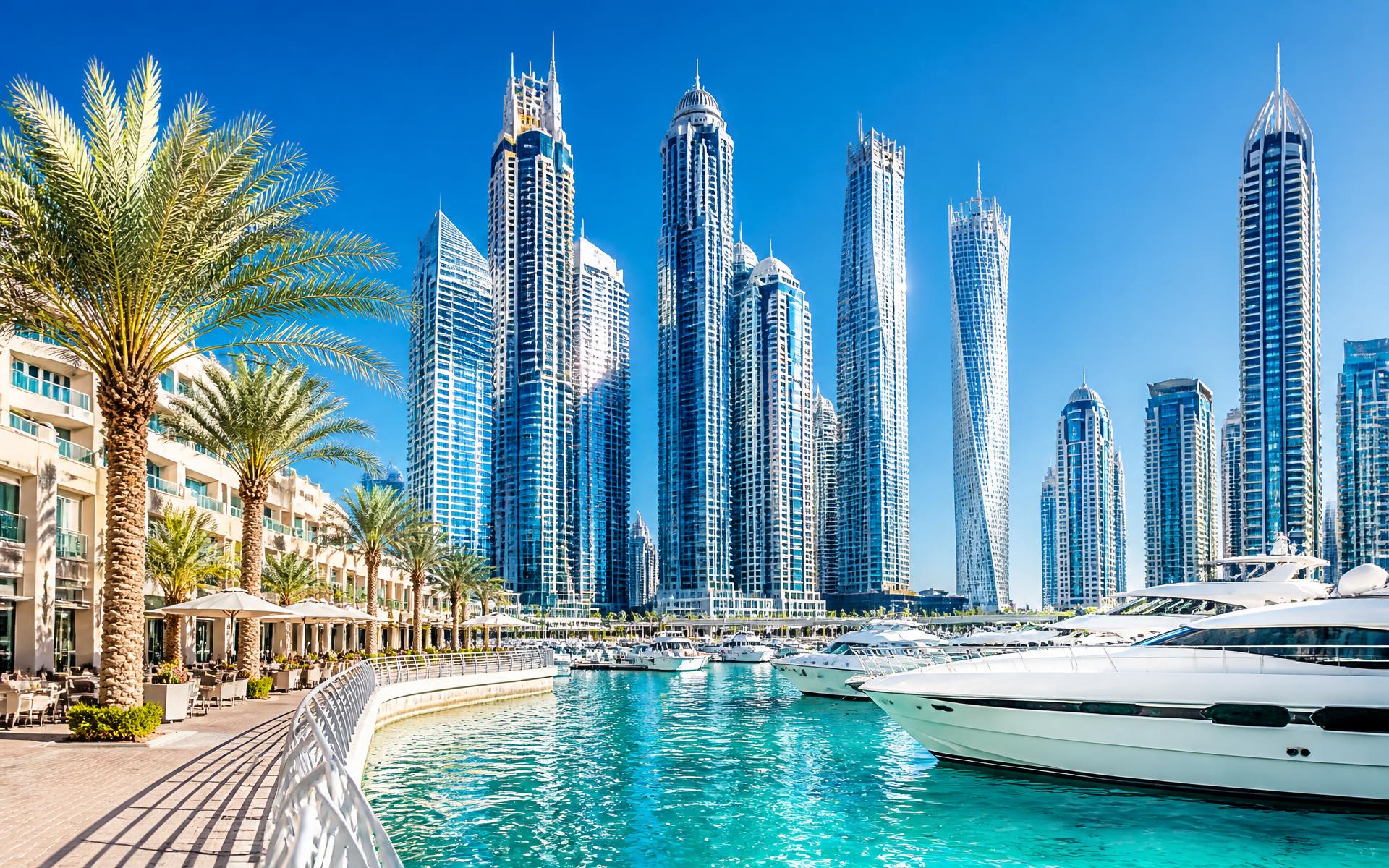
AI-generated image for illustrative purposes.
Why hotels, and not museums
Most cities announce themselves through civic architecture: a museum, an opera house, a parliament. Dubai did it through hotels. For twenty-five years, the buildings that defined the city internationally were places you could book a room in, which is unusual enough to be worth examining on its own terms.
That has consequences for how the architecture reads. A hotel is a commercial building with a marketing brief attached, and the more famous Dubai examples were designed to be recognisable in a photograph taken from a distance — a discipline closer to logo design than to conventional architecture. Whether that is a criticism depends on what you think buildings are for.
The chronology below divides into three broad phases: silhouette, scale, and structure. Each one solved the problem the previous one created.
Phase one: the silhouette
Burj Al Arab is the origin point. Designed as a sail on its own artificial island off the Jumeirah coast, it did something no hotel had done before: it made the shape of a building the entire proposition. You can draw it from memory after seeing it once, which was precisely the intention.
The engineering behind it was significant — an artificial island, a steel exoskeleton, a fabric-clad atrium — but the achievement was semiotic rather than technical. It gave a city that most travellers could not place on a map a single legible image.
Everything Dubai built for the next decade was answering that building. The demand it created was not for better hotels; it was for more recognisable ones.
Phase two: scale, and the vertical city
Burj Khalifa, designed by Skidmore, Owings & Merrill, shifted the argument from shape to height. Its buttressed-core plan — three wings around a central spine, stepping back as it rises — is a genuine structural innovation rather than a stylistic one, and it made possible a building of a height that conventional tower typologies could not reach.
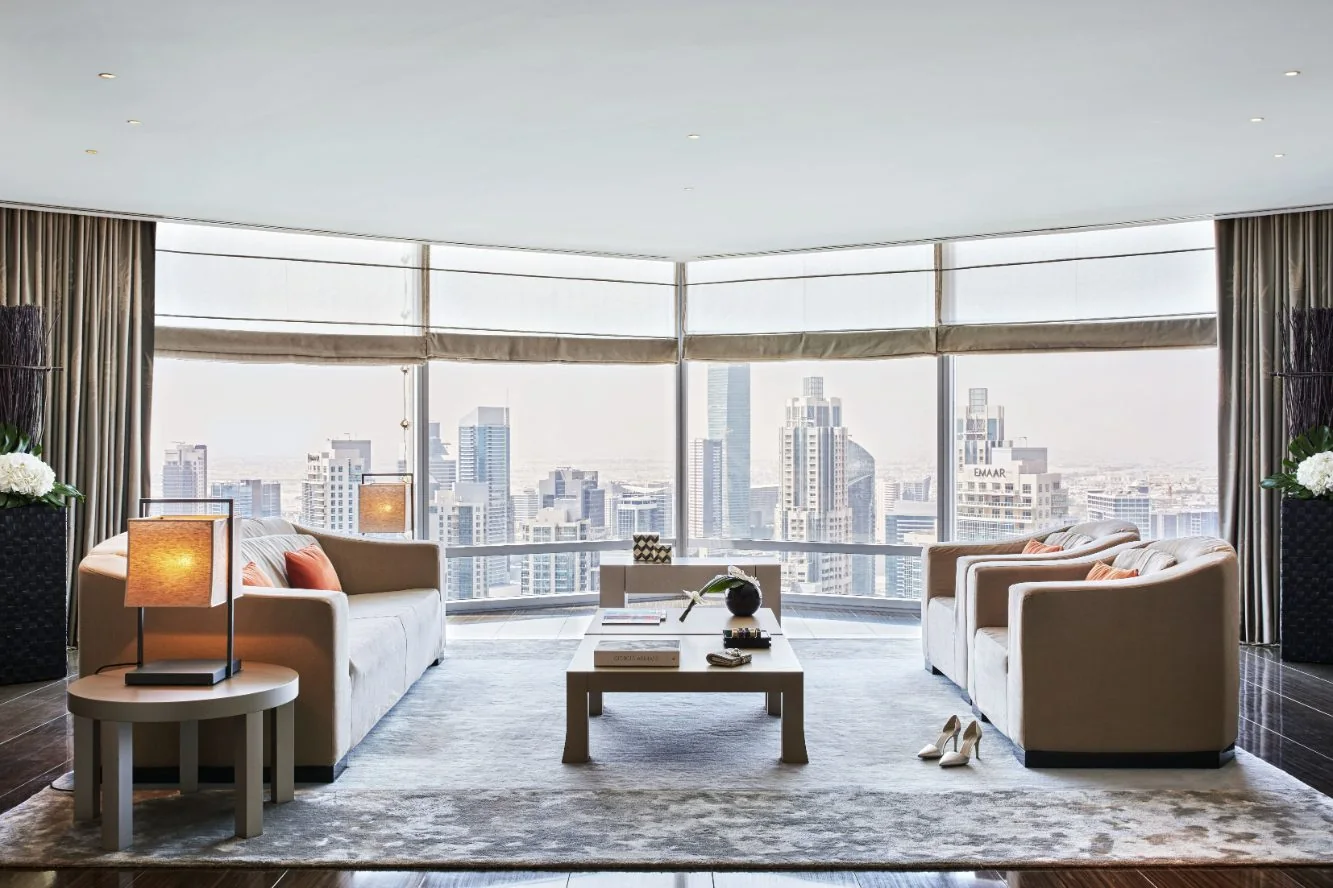
For hotel architecture, the consequence was the arrival of the hotel-inside-a-landmark. Armani Hotel Dubai occupies the lower floors of the tower with interiors developed under Giorgio Armani's direction, and the interesting thing about it is how far it retreats from the exterior's ambition. Inside, the language is horizontal, dark, textile-led and deliberately quiet — a hotel that treats the world's tallest building as a location rather than a theme.
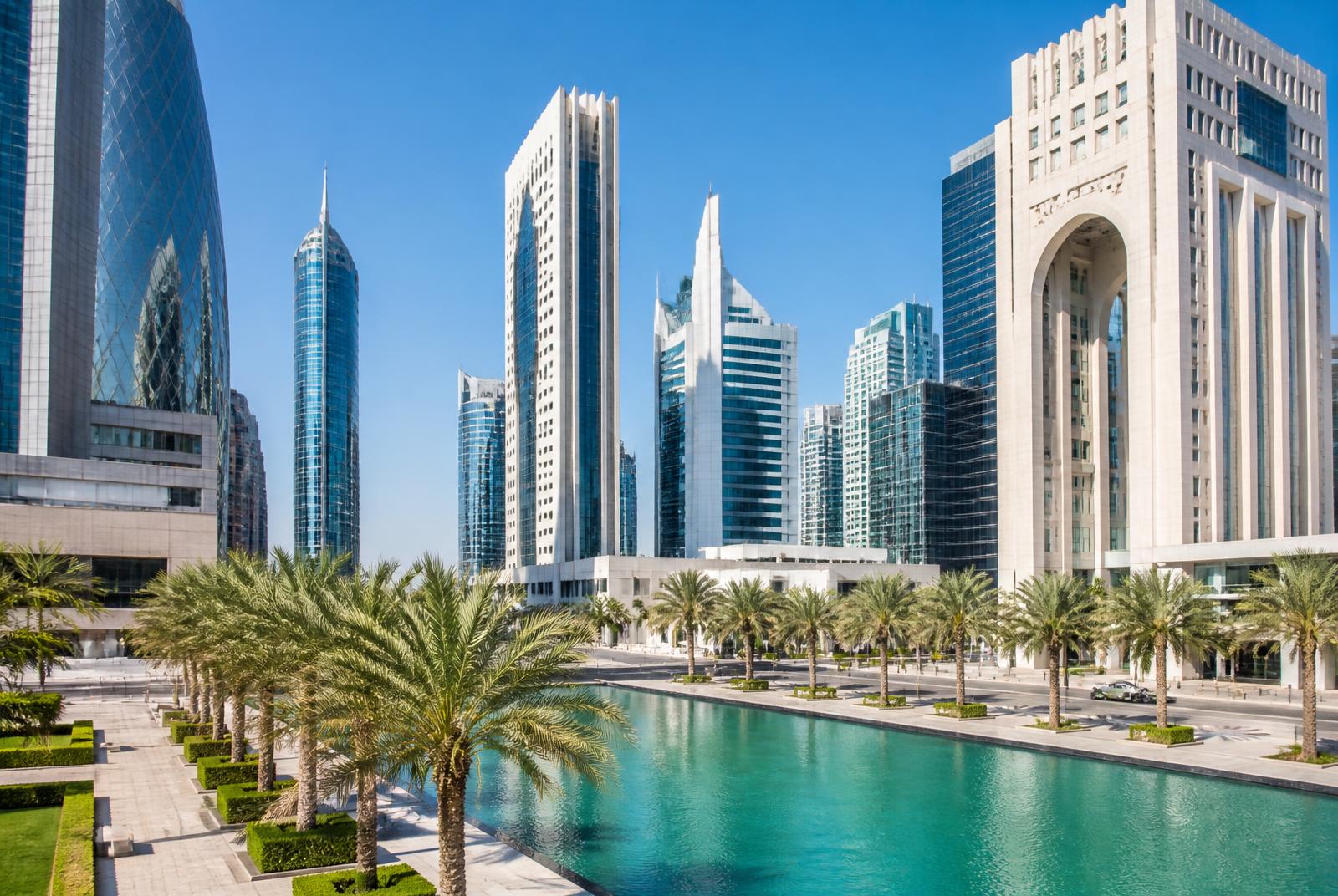
This is the phase that produced Downtown as a district: a master plan in which the tower, the mall, the lake and the hotels were designed as a single composition. It is also the phase most often criticised for producing generic glass towers around the edges of a spectacular centre, which is a fair charge.
The counter-movement: restraint on the coast
The most interesting Dubai buildings of the following decade were the ones that stopped shouting. The Bvlgari Resort on Jumeira Bay, designed by the Milanese practice ACPV — Antonio Citterio Patricia Viel — is the clearest example: a low-rise resort on a seahorse-shaped island, organised around a marina, in a Mediterranean vocabulary of stone, timber and shade.
What makes it significant is not the style but the posture. It is a building that photographs poorly from a helicopter and rewards you at eye level, which is the exact inverse of the Phase One logic. It proposed that a Dubai luxury hotel could be judged by how it feels to walk through rather than how it reads on a postcard.
That argument has largely won at the top of the market. The European hotel brands that have since entered the city — small, discreet, urban — are working in the space this building opened.
Phase three: structure as spectacle
The current phase returns to ambition, but the ambition is now structural rather than figurative. One Za'abeel is the emblem: two towers linked by The Link, a horizontal volume suspended across the road between them, recognised by Guinness World Records as the world's longest cantilevered building.
This is a different kind of statement. A sail-shaped hotel is a picture; a hundred-metre cantilever is a problem that had to be solved. The building's public spaces — dining venues, a pool, an observation level — sit inside the span, which means the engineering is not a backdrop to the guest experience but the container for it.
The same period produced the Museum of the Future, whose torus form and calligraphic façade are the non-hotel counterpart to this thinking: a building whose geometry required a bespoke fabrication process. Both suggest a city that has moved from commissioning images to commissioning problems.
The return of the flagship
Jumeirah Marsa Al Arab, which the operator announced would welcome guests from April 2025, closes the circle in an interesting way. Jumeirah built Burj Al Arab — the building that started the silhouette era — and its newest flagship deliberately does not attempt a second one.
Instead of a single legible shape on its own island, it takes a yacht-influenced form on a marina and organises the experience horizontally. The group that proved a hotel could be a logo has decided that its next flagship should not be.
Read alongside One Za'abeel and the smaller European entrants, it suggests the silhouette era is genuinely over rather than paused.
The things the buildings share
Climate is the constant, and it is the most consistently under-discussed aspect of Dubai architecture. Every building here is a machine for excluding heat, and the successful ones acknowledge it: deep shading, courtyards, water, controlled apertures, and circulation that keeps guests out of the sun. The desert resorts, working in a low-rise fort vernacular of shaded courtyards, are doing what regional buildings have always done.
The second constant is reclamation. A remarkable share of the city's landmark hospitality sits on land that did not exist thirty years ago — Burj Al Arab's island, Palm Jumeirah, Jumeira Bay. The architecture is inseparable from the engineering that produced the ground beneath it.
The third is speed. These buildings were designed and delivered on timelines that most European cities apply to planning permission. That accounts for both the ambition and, in the weaker examples, the repetition.
How to look at it as a visitor
The rewarding way to see Dubai's hotel architecture is chronologically rather than geographically. Start on the Jumeirah coast with the silhouette era, move to Downtown for the scale era, and finish inland at Za'abeel for the structural one. Done over three evenings, it is a legible narrative rather than a set of photographs.
Look at the ground floors. The gap between the best and worst buildings here is almost never in the skyline; it is in what happens where the building meets the pavement, and in whether there is any shade when you get out of the car.
And look at the newest small hotels rather than the largest new ones. The next phase of this city's architecture is being written at a scale of a hundred rooms, not a thousand.
The Dubai Hotels Magazine view
The standard critique — that Dubai builds spectacle without substance — was defensible in 2005 and is increasingly lazy now. What the last decade shows is a city learning the difference between being photographed and being inhabited, and doing it in public, at speed, in a climate that punishes error.
Twenty-five years of hotel architecture here amounts to an unusually complete record of a place working out what it wants to be. Very few cities have one.
Sources
Factual detail in this article was checked against first-party and authoritative sources on . Times, prices, opening hours and menus change — confirm current details with the provider before travelling.
- https://www.som.com/projects/burj-khalifa/
- https://www.jumeirah.com/en/stay/dubai/jumeirah-burj-al-arab-a-jumeirah-icon
- https://www.armanihotels.com/en/hotels/armani-hotel-dubai/about-us-dubai
- https://acpvarchitects.com/project/bulgari-resort-dubai/
- https://www.onezaabeel.com/the-link/
- https://www.guinnessworldrecords.com/world-records/617033-longest-cantilevered-building
- https://www.dubaifuture.ae/latest-news/mohammed-bin-rashid-inaugurates-the-museum-of-the-future/
- https://mediahub.jumeirah.com/jumeirah-marsa-al-arab-set-to-welcome-guests-from-april-2025
About the author
The Editorial Team — Reporting, reviews and guides produced by the Dubai Hotels Magazine editorial team.
Our authorsHotels in this article
Where to stay
JumeirahLuxury
Closed for restoration
Jumeirah Burj Al Arab
198 duplex suites on a man-made island 280 metres offshore — the sail-shaped silhouette that fixed Dubai in the global imagination.
- Beach
- Fine Dining
- Spa
Downtown DubaiLuxury
Armani Hotel Dubai
160 rooms and suites inside the Burj Khalifa, every element designed by Giorgio Armani — the most restrained address in Downtown.
- Fine Dining
- Spa
- Shopping
Jumeira BayLuxury
Bvlgari Resort Dubai
Antonio Citterio Patricia Viel's seahorse-shaped island resort: balconied rooms from 53 sqm, standalone villas and a private marina.
- Beach
- Fine Dining
- Spa
Za'abeelLuxury
One&Only One Za'abeel
An all-suite city resort in the One Za'abeel towers, connected by The Link — the cantilevered skybridge over Sheikh Zayed Road.
- Fine Dining
- Spa
- Pool
JumeirahLuxury
Jumeirah Marsa Al Arab
Jumeirah's newest Dubai resort, a ship-form building by Shaun Killa on the water beside Madinat Jumeirah.
- Beach
- Fine Dining
- Spa
Destinations
Explore the destinations
Read next
More from the magazine
FeaturesNew & Noteworthy
Dubai's New Generation of Luxury Hotels
A short, intense opening cycle changed what a luxury hotel in this city is expected to be. Not bigger — different: wellness as architecture, dining as identity, and privacy as the scarcest amenity of all.
By The Editorial Team
StayWhere To Stay
Where to Stay in Downtown Dubai
The one district where you can leave the car behind. What Downtown actually covers, how the micro-locations differ, and the trade you make by booking here.
By The Editorial Team
StayHotels
Where to Stay on the Jumeirah Coast
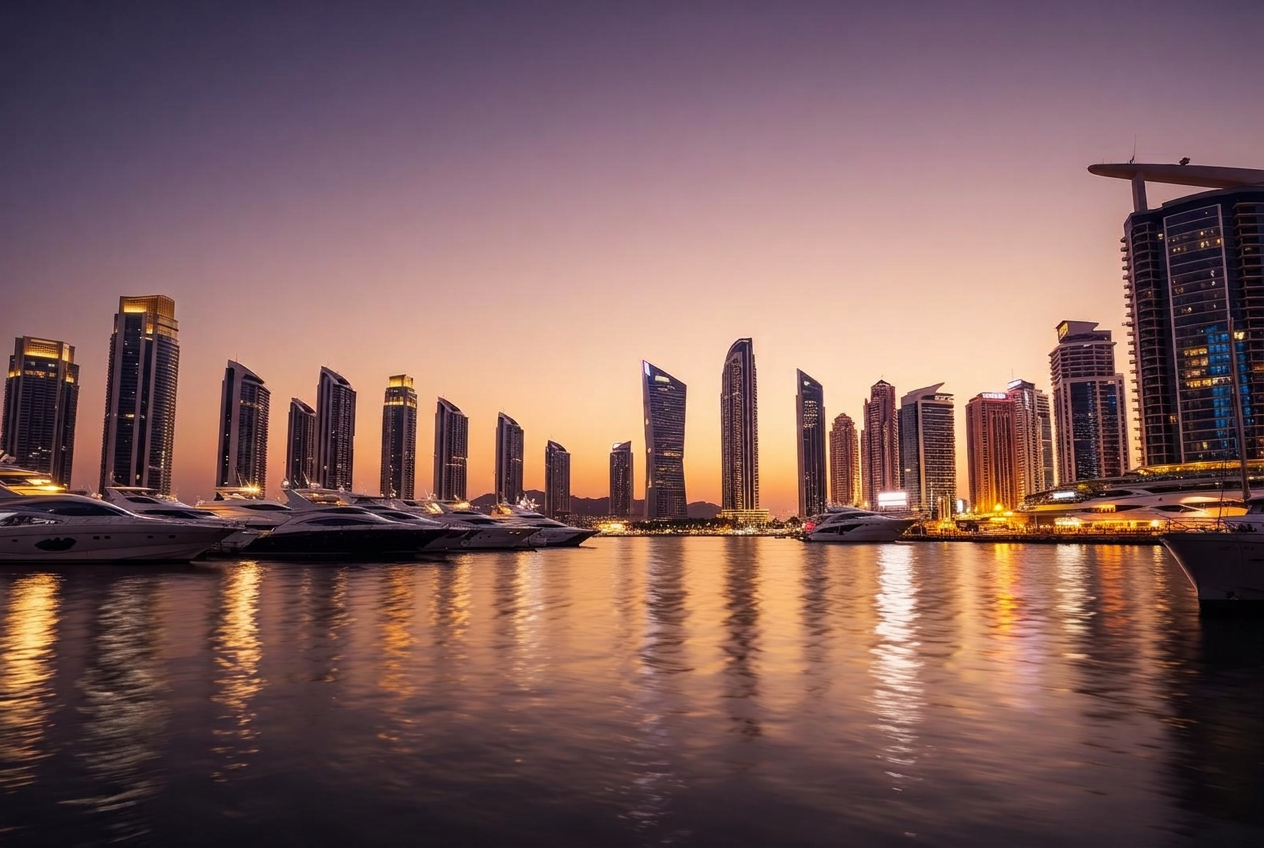
The original luxury shoreline, and still the best compromise in the city between beach and access. How the coast is arranged and which stretch of it suits which traveller.
By The Editorial Team